Educational overview only. Prudent Guardian (www.inspirecodingedu.com) is not an insurance company, broker, law firm, or registered investment adviser, and does not provide personalized insurance, investment, tax, medical, or legal advice. Verify details with licensed professionals and official issuers.
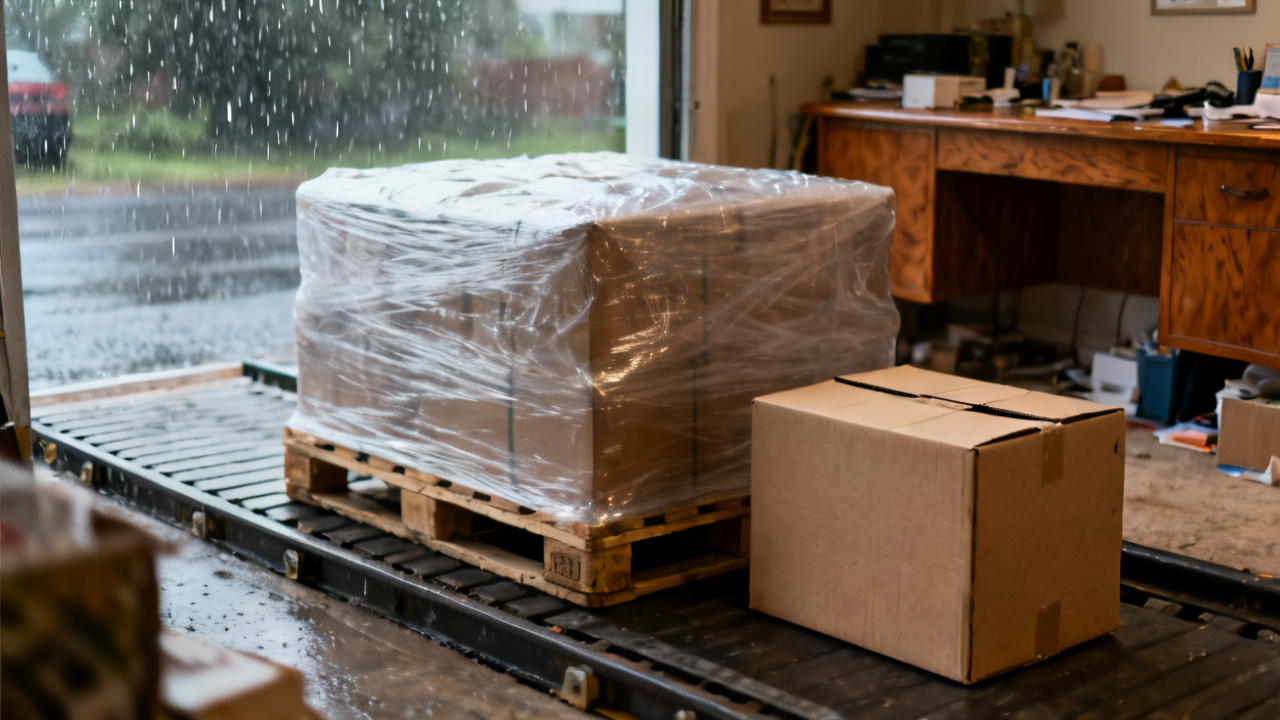
The receipt has two exception lines. You only meant to write one. The driver is leaning against their cab door, checking their watch, and the pallet of shrink-wrapped industrial pump parts sits half-unloaded at the edge of the dock behind you. A light rain is starting to spot the asphalt just outside the overhead door, and you don’t want to hold up their route any longer than you have to, nor do you want a false exception to cause delays on your end later.
Your physical delivery receipt in hand
You flip the crumpled carbon-copy form over to scan the front first, confirming the pro number matches the shipment you scheduled last week, the piece count is listed as 12 palletized units, the consignee address is your dock, and the carrier name matches the logo on the truck idling at the curb. The two exceptions are scrawled in the blank notes section halfway down the page: first, “1 pallet corner crush, no visible product damage”, which is the one you intended to write after you spotted the bent wooden edge when you pulled the third pallet off the liftgate. The second one says “3 missing boxes of mounting hardware”, which you know is wrong—you set the hardware boxes aside on the receiving bench ten minutes ago, you just miswrote that line when you were distracted by a radio call from your supervisor asking about the incoming parts order’s expected delivery time. The driver hasn’t signed off yet, and neither have you, so there’s still time to fix the discrepancy before the receipt gets filed with the carrier’s dispatch team and copied to your inventory department. You cross-reference the piece count with the log you jotted on your Dock Tally stub as you unloaded, and you confirm all 12 pallets are accounted for, no missing hardware, only the single crushed corner on that third pallet. The seal number on the bill of lading matches the seal you cut from the trailer door when you opened it, so you know no one tampered with the shipment in transit, and the missing hardware line is 100% your accidental error.

Only one exception line applies
The crushed corner is a minor issue, but it’s important to note it so you have a clear record if you find broken internal parts when you break down the pallet for production later. The second exception was a mistake, a slip of the pen when you were splitting your attention between the receipt and the radio call, and leaving it on the form would create unnecessary paperwork backlogs for both your operations team and the carrier’s admin staff. If you leave the false missing hardware line on the receipt, the carrier will flag the shipment for a discrepancy audit, and your team will have to pull inventory records, check security footage of the dock, and submit a formal correction request that can take up to two weeks to process, delaying the inventory reconciliation for this entire order. It could also lead to the carrier flagging your dock as a high-discrepancy location, which might lead to longer wait times for future deliveries as drivers set aside extra time to review receipts before signing. Illustrative example: If this order was valued at $14,200, the uncorrected missing hardware line could hold up 70% of your production schedule for the industrial pump line while the discrepancy is researched, even though no hardware is actually missing, and you’d have to source temporary replacement parts at a 25% premium to meet your customer deadlines.
Where you note the correction on the form
You only need to adjust the existing notes section, no need to request a blank receipt and rewrite every detail, which would take another 10 minutes and hold the driver up even longer. Follow these steps to make a clear, auditable correction:
- Draw a single, straight horizontal line through the entire incorrect “3 missing boxes of mounting hardware” line, making sure the original text is still fully legible under the line—never black out or scribble over exception lines, as that will raise red flags for auditors later who may suspect you are hiding unreported damage or missing pieces.
- Write “VOID: ENTRY ERROR” in all caps directly above the crossed-out line, and add your initials and the current time, written in 24-hour format, next to the void note to create a clear timestamp for the correction.
- Add a short clarifying line below the correct “1 pallet corner crush, no visible product damage” exception that reads “ONLY EXCEPTION NOTED: ALL OTHER PIECES RECEIVED IN GOOD CONDITION”, to eliminate any ambiguity for anyone processing the form later who might miss the void note next to the crossed-out line.
- Have the driver add their own initials next to both the voided line and the clarifying note, to confirm they agree with the correction before either of you sign the full receipt at the bottom of the form.
- Make a small, clear notation of the correction in the left margin next to the notes section, so anyone scanning the form quickly will see the adjustment without having to read every line of the notes.
You double-check that the line you drew doesn’t overlap with the correct exception line, that your initials are legible, and that the driver’s initials match the signature they add at the bottom of the form. The driver nods as they review the correction, says they see this kind of slip all the time when receivers are juggling multiple tasks at once, and hands you your copy of the receipt before climbing back into their cab.
The next time you open this same page: two exceptions one delivery
It’s three weeks later, and you’re pulling the receipt to reconcile with the production team’s damage report, which was filed earlier that morning. You open the digital scanned copy of the receipt first, then pull the physical carbon copy from your filing cabinet by the dock door, and you immediately spot the voided line and your initials, so you don’t have to waste time wondering why there were two exceptions listed in the initial digital log. The production team found two cracked plastic pump housing units inside the pallet with the crushed corner, and you’re pulling the receipt to attach to the damage report that will be sent to the carrier’s claims team for review. You don’t have to waste time explaining the voided missing hardware line, because the clarifying note and dual initials make it clear that line was an entry error, and the only valid exception is the crushed pallet corner noted on the day of delivery. You flip to the back of the receipt to confirm the driver’s full signature matches the initials next to the correction, and you attach a photo of the cracked housing units and the original photo you took of the damaged pallet corner the day the shipment arrived to the report before you send it. You don’t have to follow up with the driver to corroborate the correction, because both of you signed off on the adjustment the day the shipment arrived, so the record is complete and unambiguous. You file your copy of the receipt back in the cabinet once the report is sent, and make a small note in your log to check that pallet for damage first the next time you receive a shipment from that same carrier. You also make a mental note to set aside receipts until you are fully done unloading and counting every piece, to avoid the same slip of the pen on future deliveries, especially during busy shift changes when distractions are common.