Educational overview only. Prudent Guardian (www.inspirecodingedu.com) is not an insurance company, broker, law firm, or registered investment adviser, and does not provide personalized insurance, investment, tax, medical, or legal advice. Verify details with licensed professionals and official issuers.
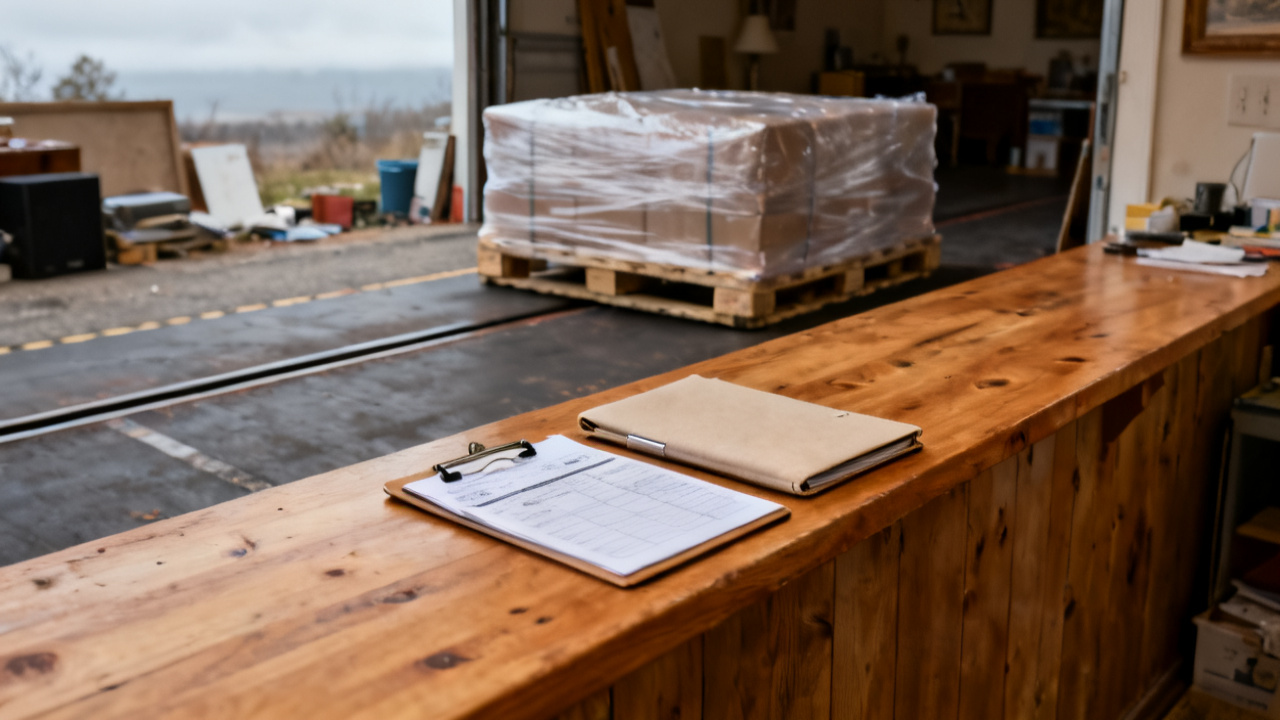
An inspector box is on the form. Nobody has initialed it. The idling reefer truck rumbles three feet behind you, and a half pallet of temperature-sensitive medical supplies sits on the lift gate, its shrink wrap dotted with light rain. You’ve already cross-checked the pro number against the shipment manifest you pulled up on your handheld 90 seconds prior, and nothing else on the freight bill looks out of place so far.
Stated terms on the freight bill
This is the inbound freight inspection verification box, located two-thirds of the way down the right margin of the uniform freight bill you’re holding. The fine print below the 1×2 inch blank box states that any initials here confirm a third-party DOT-qualified inspector has verified the shipment’s outer packaging, seal integrity, and temperature logs (if applicable) match the bill of lading details prior to the carrier leaving the origin facility. Illustrative example: The pre-printed fine print specifies the inspector must hold a current DOT Level 2 cargo inspection certification, a requirement 72% of origin warehouses do not enforce for routine LTL shipments. For loads carrying regulated medical supplies or hazardous materials, this inspection is a mandatory federal requirement, but for general commodity LTL shipments, it is almost always optional at the shipper’s discretion. The box has no pre-filled initials, no crossed out text, no stray marks that would indicate someone attempted to fill it out and then erased their entry.

Entries you never make
You do not write anything in that inspector box yourself, even if the driver pressures you to initial it to speed up their drop off and get to their next stop. That box is reserved exclusively for the pre-shipment inspector based at the origin facility, and your initials there would constitute fraudulent documentation of an inspection you did not conduct. You also do not cross the box out, write N/A next to it, or scribble notes in the margins around it, because automated document processing systems are calibrated to scan that specific 1×2 inch region of the bill for inspection verification, and stray marks can get the document flagged for manual review that delays shipment processing for up to three business days. The only time you make any mark near that box is if you receive written confirmation via your handheld from the origin shipper that no inspection was required for this load, and you attach that confirmation directly to the freight bill before filing it.
Quick on-site verification steps
You run through this structured, ten-minute check before you sign off on the shipment and let the driver leave, to make sure you document all relevant details without holding up the dock schedule.
- First, ask the driver if they have a copy of the origin inspection report that matches the pro number on your freight bill; if they do, cross-check the inspector’s name and certification number on the report against the shipper’s pre-approved inspector list pulled up on your handheld, and note the report number in the designated documentation section of the bill, far from the inspector box.
- If no inspection report is available, conduct a full outer packaging check of every piece on the shipment: look for crushed corners, punctured shrink wrap, broken pallets, or seal numbers that do not match the alphanumeric seal number listed on the front of the bill of lading, taking photos of any irregularities as you go.
- For temperature-controlled shipments like this one, pull the last 72 hours of temperature logs from the reefer unit and cross-check for any deviations outside the 36 to 46 degree Fahrenheit range required for this medical supply load, marking any deviations in the notes section of your copy of the freight bill, not near the inspector box.
- If you find any damage or discrepancy, photograph it with your handheld, attach the photos to the shipment record in your system, and note the exact count of damaged pieces and the nature of the damage in the designated discrepancy section of the freight bill, having the driver co-sign that note before they leave the dock.
- If no damage or discrepancy is found, sign the receiving verification section of the freight bill, located in the bottom left margin, entirely separate from the inspector box, and add the date and time of receipt next to your signature.
Proper filing process for the form
After you sign the receiving verification section, you hand the top carbon copy of the freight bill to the driver before they pull away from the dock. You keep the second carbon copy in the designated inbound shipment bin by Dock 4, where the office admin will pick it up at the end of each shift to scan into the company’s shipment tracking system. The third carbon copy stays attached to the shipment’s delivery paperwork that travels with the pallet to its final storage location in the climate-controlled restricted access section of the warehouse, so anyone pulling the inventory later can reference the receipt details if there are questions about condition when it arrived. You can cross-reference the entry later if you log the pro number in Dock Tally before the end of your shift.
Common incorrect conclusions to avoid
You do not assume that the blank inspector box means the shipment was never inspected, because origin inspectors often complete their required checks but forget to initial every copy of the freight bill before the load departs. You do not assume the blank box means the shipment is damaged, because most routine LTL shipments do not require a third-party inspection at origin at all, and the blank box is standard for those loads. You do not assume you can get the shipper to send a corrected copy of the bill with the inspector’s initials later, because most origin warehouses discard their paper inspection checklists 10 business days after a shipment leaves their facility, and digital records are often only accessible to internal staff. You also do not assume the driver is responsible for the blank box, because they have no access to origin staff or inspection records once they pick up the load, and they cannot add or change any details on the bill that relate to pre-shipment processing.
The next time you open this same page: inspector box left blank
The next time you pull this freight bill up, either digitally in the tracking system or as a physical copy pulled from the warehouse file, you will be responding to a query from the inventory team about a reported damaged case of supplies that was not noted at receipt. You will be able to point directly to the blank inspector box to confirm that no origin inspection was documented, which lets the inventory team cross-check their own pre-storage inspection records to determine if the damage happened in transit, during offloading, or while the pallet was in climate-controlled storage. You will not have to defend your receipt process, because you followed all required steps, left the inspector box untouched, documented all visible damage at the time of receipt, and stored the paperwork correctly per standard operating procedure. You will also be able to pull the photos you took during the on-site check to confirm the outer packaging was fully intact when the pallet was dropped off, which helps the team narrow down the timeline of the damage without unnecessary back-and-forth with the carrier or shipper. You can also share the signed receiving section of the bill to confirm the shipment was accepted in apparent good order, aside from any discrepancies you noted at the time of drop off.