Educational overview only. Prudent Guardian (www.inspirecodingedu.com) is not an insurance company, broker, law firm, or registered investment adviser, and does not provide personalized insurance, investment, tax, medical, or legal advice. Verify details with licensed professionals and official issuers.
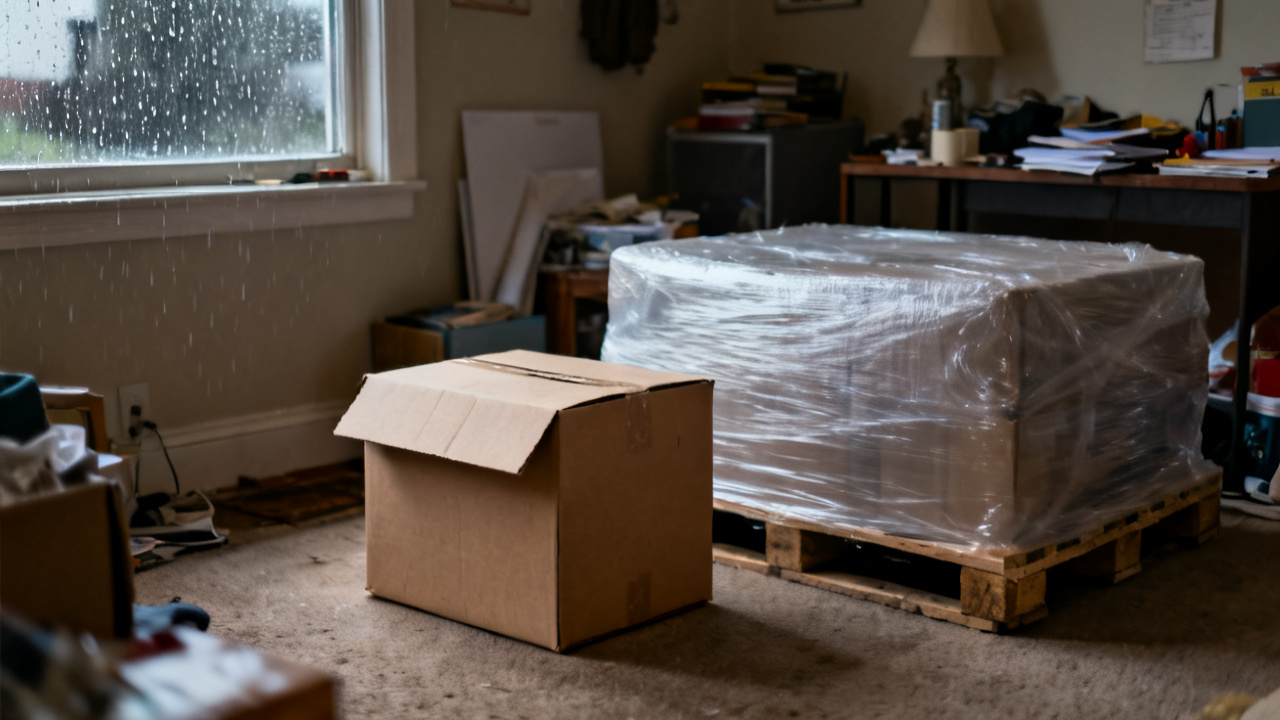
The copies are on the desk. The file for this pro is still open. You’re still holding the scuffed exception sticker you peeled off the damaged pallet of resin pellets 20 minutes ago, smudges of pallet wrap adhesive sticking its edge to your index finger. The rain that leaked through the trailer roof spotted one corner of the lead copy, so you printed a second backup ten minutes ago just in case. Your radio crackles with a request for a spotter at bay 7, but you don’t move yet, not until you get this paperwork sorted so you don’t have to dig for it next month.
What this pro number exception page lists
This is the only fully verified paper record of the delivery discrepancy for this load, no vague shorthand or partial notes that leave room for misinterpretation later. You fill every required field before you set the page in the file, so anyone who references it has all the context they need without tracking you down for extra details. You confirm all the following entries are present and accurate before moving forward:

- Full pro number, trailer number, and seal number matching the bill of lading you scanned when the driver checked in 90 minutes ago, with no transposed digits or missing characters
- Line-item note of the damaged 50-pound bags, the location of the water damage on the northwest corner of the pallet, and photos attached to the digital record linked via the QR code in the top right corner, which you uploaded to Dock Tally immediately after the driver signed the page
- Driver’s printed name, signature, and CDL number, dated and timed to match the second you both finished inspecting the damaged stock, with a legible signature instead of a scribble no one can cross-reference later
- Your own employee ID, printed name, and note that no other pallets on the load showed signs of water exposure, impact damage, or missing shrink wrap, so there is no question the damage was isolated to the single pallet
- Check mark next to the line confirming you placed the damaged pallet in the locked non-conforming holding cage at bay 3, instead of moving it to bulk storage with the rest of the load, so no one accidentally pulls the damaged stock for a production run
Illustrative example: You noted 7 damaged bags instead of the 6 the driver initially claimed, because you counted the wet slime of leaked resin seeping out from under the 7th bag that was partially covered by an undamaged one on the top layer. You pointed the leak out to the driver before they signed, so they agreed with the adjusted count without pushback, no argument needed. You circle the count of 7 twice in blue pen, so it stands out to anyone scanning the page quickly.
How this copy stacks up against the carrier’s signed delivery receipt
You hold the exception page side by side with the signed delivery receipt you pulled from the front of the pro file, line by line, to make sure no core details are misaligned. The carrier’s copy only includes a short, handwritten note that reads “possible damage to 1 pallet” with no line item count, no root cause, and no confirmation of where the damaged stock was placed, which is why you created three copies of this fully documented exception page before the driver pulled out of the yard. One copy went home with the driver for their own records, one goes in the pro file, and one goes in the locked exception binder by the bay 3 door for quick access if the main file is misfiled.
You cross-reference the pro number on both pages three times to make sure you didn’t mix it up with the load of cleaning supplies that came in at bay 2 earlier that shift, since both shipments came from the same origin facility and have similar first 4 digits in their pro numbers. You note that the timestamp on the exception page matches the timestamp on the delivery receipt within 4 minutes, which lines up with how long the two of you spent walking the trailer to inspect every pallet after you spotted the wet corner of the first unloaded pallet. You don’t add any extra notes to either document now, since you already captured every detail while the driver was still on site, and changing details after they leave creates unnecessary confusion when the document is referenced later. You don’t cross out or erase any entries either, since all the information is already verified and signed off by both parties.
When you pull this page from the file again
The next time you open this pro file, you will pull this exact exception page first, before you touch any other documents in the folder. That will be when the operations team follows up to confirm if the damaged stock is being returned to the vendor, written off as scrap, or sent back to the carrier for processing. You won’t have to hunt for photos or re-create notes from memory, because every detail you need is printed right on this page, and the QR code links directly to the timestamped photos you took of the damaged pallet, the trailer’s leaking roof seam, and the driver’s signature.
You will also pull this page if there’s a discrepancy between the receiving log and the vendor’s invoice, to show that 7 bags were marked as damaged upon delivery and never added to your on-hand inventory count, so the accounts payable team knows to adjust the total amount owed. You might also reference this page if the production team reports a bad batch of resin pellets, to confirm that the damaged bags were never added to the raw material stock, so the issue can be traced to a different delivery if needed. You don’t have to rely on vague recollections of a rainy shift from weeks prior, because every relevant detail is documented, timed, and signed by both you and the driver.
When you finish verifying all the details, you tuck the exception page into the very front of the pro file, so it is the first thing anyone sees when they open the folder, no flipping through dozens of other pages to find it. You snap the plastic clasp on the file shut, set it in the outgoing bin for the office courier, tuck the backup copy into the appropriate tab of the exception binder, and wipe the remaining pallet wrap adhesive off your index finger onto your work pants. You grab your radio off the desk, confirm you’re heading to bay 7 to spot the next unload, and walk away from the desk knowing this paperwork is fully sorted, no follow-up required from you unless someone reaches out for additional context. Even if the file ends up misfiled in the back office for a month, you know the backup copy is 10 feet from your station, ready to pull whenever it’s needed, no guesswork required.