Educational overview only. Prudent Guardian (www.inspirecodingedu.com) is not an insurance company, broker, law firm, or registered investment adviser, and does not provide personalized insurance, investment, tax, medical, or legal advice. Verify details with licensed professionals and official issuers.
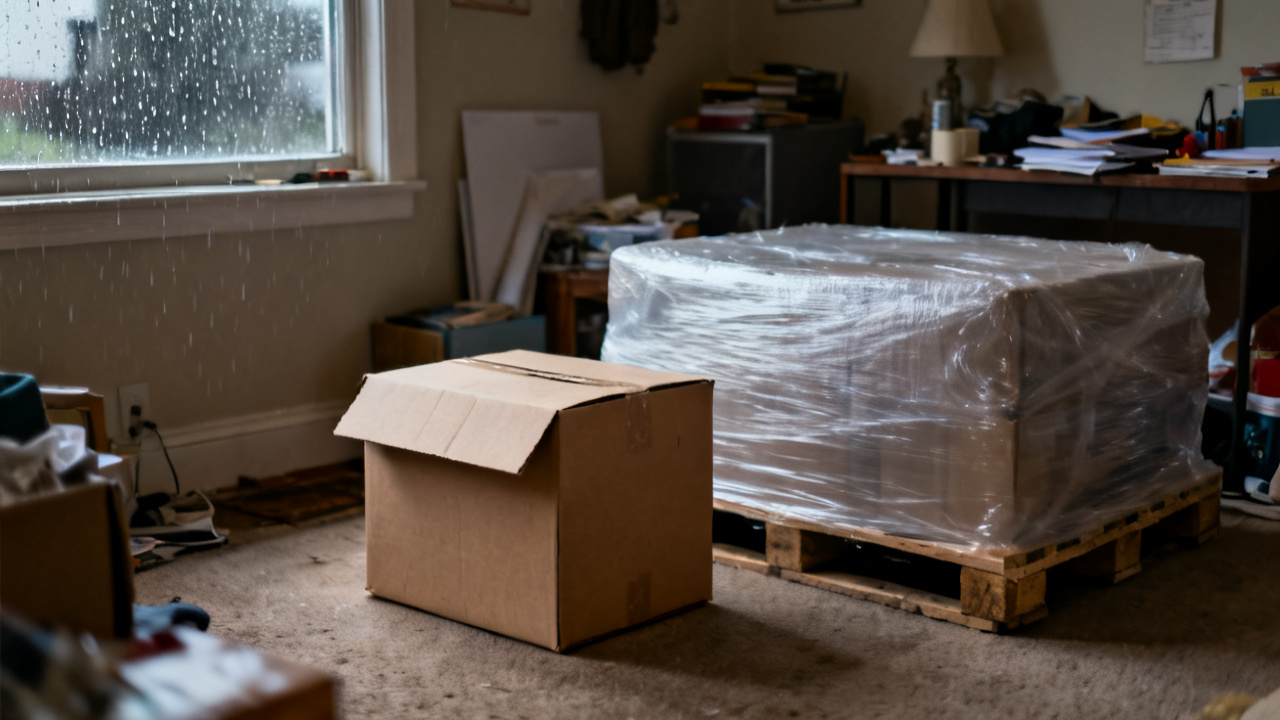
The driver is gone. A crushed carton is still on the dock. You flip over the signed dock receipt you were holding two minutes prior, scanning for the notes section you forgot to fill out before the carrier pulled out of the yard. The skid it fell off is marked for a regional retail location that ships out tomorrow morning, and a faint damp spot seeps through the bottom edge of the crushed packaging, hinting at broken liquid contents inside.
What this signed dock receipt states
The front of the document lists the carrier’s DOT number, the trailer number assigned to the load, the pickup location, and your facility’s address as the drop-off point. A typed line notes 17 total skids were received in good condition, with your scrawled signature and a timestamp of 14:27 directly below it, no handwritten exception notes anywhere on the front face. The back of the receipt includes standard carrier terms, a local claims desk phone number and email address, a designated section for post-departure damage notes, and a line requiring reference numbers for any photo evidence attached to the report. All pre-printed fields are filled out correctly, matching the details you confirmed with the driver before you signed the document.

Details you leave unaltered
You never cross out or modify any pre-existing text on the front of the receipt, including the count of 17 skids received in good condition, your signature, the timestamp, or the driver’s name. Altering any of these details invalidates the entire document, making any follow-up reporting you submit unusable for formal review. Any notes you add are restricted exclusively to the designated post-departure section on the back of the receipt, clearly labeled with the date and time you are writing them, so there is no ambiguity about when the damage was identified. You also leave the fine print on the back of the receipt untouched, even if you disagree with some of the listed terms, to avoid any questions about tampering.
Your 10-minute post-departure check
You complete this short, structured check immediately after spotting the damage to capture all relevant details before anything is moved or adjusted on the dock. Follow these steps in order to make sure you do not miss any critical information:
- First, photograph the crushed carton from all angles, including close-ups of the tear and dent marks, the full shipping label on the top of the carton, the position of the carton on the dock relative to the skid it was unloaded from, and the damp spot seeping through the bottom of the packaging. Tag each photo with the trailer number, shipment date, and current timestamp before saving them to your shared facility drive.
- Open the carton carefully, without tearing the original packaging any further, and count the number of damaged units inside. Note any serial numbers, lot codes, or expiration dates on the damaged goods if they are visible, and photograph each damaged unit individually to capture the full extent of the issue.
- Cross-reference the carton’s shipping label with the printed packing slip attached to the side of the skid to confirm the expected number of units, the official product description, and the full consignee contact information. Write all these details in the designated post-departure notes section on the back of the receipt, making sure your handwriting is legible for anyone who reviews the document later.
- Note the exact time you discovered the damage, and add a one-sentence description of the conditions on the dock when the shipment was unloaded (e.g., “Unloaded in dry, 65-degree conditions, no heavy equipment operating within 10 feet of this skid during offload”).
- Count the rest of the skids from the same shipment to confirm no other units show visible damage, and add a line to your notes stating the number of undamaged skids remaining from the load.
Illustrative example: If you find 12 broken 1-liter glass cleaning solution bottles inside the carton, you note that exact count next to the product description on the back of the receipt, and reference the 7 photos you took of the damage in the corresponding field on the form. If you use the platform for shipment tracking, you can also log these details in Dock Tally to tie the damage report directly to the shipment’s digital record.
Where you file this receipt after review
Once you have filled out all required post-departure notes, you scan both the front and back of the receipt, link the tagged photo files to the digital scan, and save the full package to the shared drive folder labeled with the carrier’s name and the shipment date. You place the physical copy of the receipt in the dedicated slot for post-departure shipment exceptions by the dock office door, where the operations lead reviews all exception documents each afternoon before the end of shift. You also send a short, factual alert to the consignee to let them know one carton from their upcoming shipment sustained visible damage, and that you will follow up with more details once you have confirmation of next steps from the carrier. You do not include any speculation about fault or liability in this alert, only the basic facts about the damage you found.
Assumptions you avoid acting on
You do not assume the carrier is liable for the damage, as there is no concrete proof the harm occurred while the shipment was in the carrier’s possession; the damage could have happened when you moved the skid with a pallet jack after the driver left, or it could have been hidden under other boxes when you inspected the load before signing. You do not assume you need to file a formal claim the same day, as the fine print on the back of the receipt gives you a 48-hour window to submit all supporting documentation to the claims desk. You do not assume the consignee will reject the entire shipment, as 16 of the 17 skids are undamaged and fit for delivery. You also do not assume you will face disciplinary action for missing the damage before the driver left, as tightly packed loads often hide damage on the bottom or back of skids that is impossible to spot during a quick pre-signoff inspection.
The next time you open this same page: damage noticed after driver
You pull this receipt out of the exception folder when you receive a response from the carrier’s claims team, either asking for more supporting documentation or outlining their preliminary review of the damage report. You cross-reference the details you wrote on the back of the receipt with any questions the claims team sends, and pull up the saved tagged photos if they request additional visual context for the damage. You also open this page when the consignee arrives to pick up their shipment, to walk them through the damaged carton, show them the broken units, and note any feedback they have about the impact of the damage on their delivery timeline. If the consignee agrees to accept the undamaged portion of the shipment, you add a note to the bottom of the receipt’s back section with their signature and the date they picked up the goods, before re-filing the document in the closed exception folder. If you are completing a quarterly review of dock exception trends, you also pull this receipt to note how often post-departure damage is identified for this specific carrier, and what adjustments you can make to your pre-signoff inspection process to catch hidden damage faster in future loads. You only discard the physical document once the consignee has confirmed receipt of all undamaged goods and the carrier’s review of the damage report is fully finalized.