Educational overview only. Prudent Guardian (www.inspirecodingedu.com) is not an insurance company, broker, law firm, or registered investment adviser, and does not provide personalized insurance, investment, tax, medical, or legal advice. Verify details with licensed professionals and official issuers.
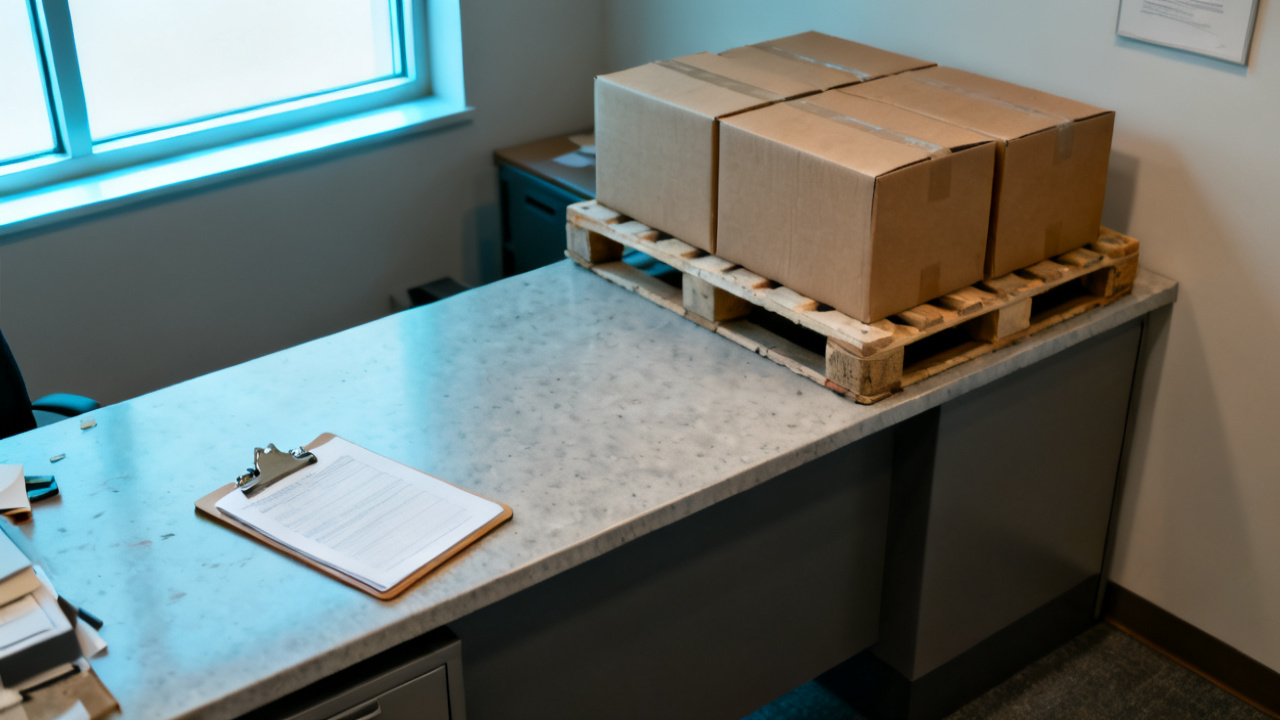
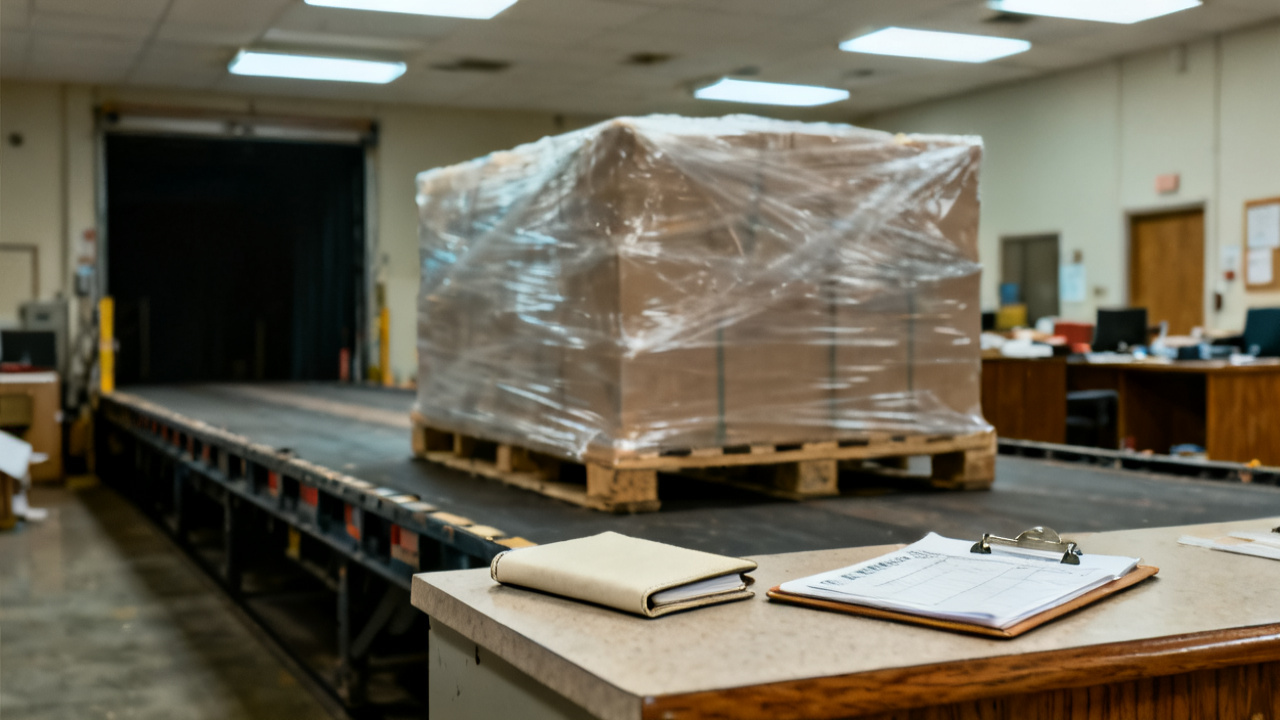
An extra pallet is on the dock. The bill does not list it. You spot it half-shrouded in clear shrink wrap, propped against the stack of 12 pallets you just checked off against the incoming freight bill ten minutes prior. No label on the pallet matches the delivery run’s main manifest, and the driver is still lingering by the truck cab scrolling through their phone, so you have time to resolve this before they pull out of the yard. A quick peek at the shipping label taped to its top edge shows it’s addressed to your facility, no typo in the street address or suite number, so it is not a misdelivered load meant for the building next door.
Map Discrepancy Lines to Physical Receipts
Your first step is to pull the two core lines you will compare to formalize the discrepancy: the total shipped pallet count line from the carrier-provided bill of lading, and the total received pallet count line from your immediate physical check of the load. This side-by-side comparison eliminates ambiguity, so you do not waste time debating counts with the driver or guessing if you miscounted the initial stack. Below is a breakdown of the two core lines plus the separate line for the unlisted pallet, to formalize the gap:

| Line Type | Entry Source | Pallet Count | Shipment ID Match | Address Validation |
|---|---|---|---|---|
| Bill of Lading Shipped Line | Carrier-issued signed paperwork | 12 | SHP-78249 | Valid |
| Dock Receipt Count Line | Your real-time physical check | 13 | SHP-78249 | Valid |
| Unlisted Pallet Separate Line | Printed label on extra pallet | 1 | SHP-78251 | Valid |
Illustrative example: The unlisted pallet has a declared weight of 427 pounds, per its attached shipping label, which matches the weight noted on the supplemental slip the driver digs out of their folder after you flag the discrepancy, confirming the pallet was accidentally left off the main bill of lading when the shipper printed paperwork for the day’s runs. You cross-check the lot number printed on the boxes stacked on the pallet against the purchase order log, and you see that the lot is for a raw materials order you expected to arrive later that week, so the shipper sent it early and added it to this load without updating the main manifest. That all checks out, no red flags that the pallet was delivered in error.
Mark Which Line Controls Receipt Reconciliation
For all internal records, the physical dock receipt count line controls, even if it does not match the line listed on the original bill of lading. You grab a red permanent marker and write the discrepancy directly on the front of the bill of lading, right next to the total shipped count line: “1 unlisted pallet received, lot # K-4920, intended for raw materials inventory, driver notified of addition”. You then hand the bill to the driver and ask them to sign and date the note next to their existing signature for the delivery, so there is formal, signed proof that the carrier acknowledges the extra pallet was part of the drop-off. If the driver does not have access to a supplemental slip for the unlisted pallet, you still note the receipt and flag the pallet for hold in your storage area until the shipper confirms it was intended for your facility, so you do not take custody of goods you are not set to receive. You can log the discrepancy in Dock Tally if you need to share the update with your operations team before the end of the shift, so they are aware of the early arrival before they run their next order fulfillment check.
File This Bill Copy for Future Audit Trails
Once the driver signs off and leaves the yard, you make two exact copies of the annotated bill of lading. The first copy goes to the receiving lead, who tapes it to the day’s physical receipt log to attach to their end-of-shift report for the operations manager. The second copy goes in the dedicated inbound shipment folder for SHP-78249, stored in the locked wall cabinet by Dock 3, where all incoming delivery records are stored for a minimum of 12 months per your company’s record-keeping policy. You paperclip the two photos you took of the unlisted pallet’s shipping label and the driver’s signed annotation to the filed copy, so anyone pulling the file later has all the context they need for the discrepancy, no need to track you down for details weeks or months after the delivery. You also write the unlisted pallet’s lot number on the outside of the folder tab, so you can pull the file in seconds if the shipper reaches out asking about a missing pallet from their adjacent shipment SHP-78251, or if your inventory team flags an unexpected item in the raw materials storage bay.
Reference This Page When You Reconcile Month-End Inventory
This is the next time you will pull this specific annotated bill copy, when you sit down at the end of the month to cross-check all received goods against logged inventory entries. You will pull this record to resolve the gap between the 12 pallets logged on the original shipment manifest and the 13 pallets scanned into your inventory management system for shipment SHP-78249. You can cross-reference the lot number you noted on the bill with the inventory log entry for lot K-4920, to confirm the pallet was put away in the correct raw materials storage bay, and that no extra goods were logged in error by the inventory team. If there is a question from the finance team about an unexpected invoice for the extra pallet that arrives later that month, you can pull this filed bill to show that the pallet was received, with the driver’s signature confirming the discrepancy, so the team can reconcile the invoice with the actual receipt without unnecessary delays. You will also keep this bill on hand if you run a discrepancy report for incoming loads at the end of the quarter, to show that the gap was documented and resolved the same day the delivery arrived, with no outstanding action items left for the operations team to address. You do not need to follow up with the carrier directly unless your operations manager asks you to, as the shipper will typically coordinate with their carrier contact to fix any manifest errors on their end before sending an invoice for the extra goods.