Educational overview only. Prudent Guardian (www.inspirecodingedu.com) is not an insurance company, broker, law firm, or registered investment adviser, and does not provide personalized insurance, investment, tax, medical, or legal advice. Verify details with licensed professionals and official issuers.
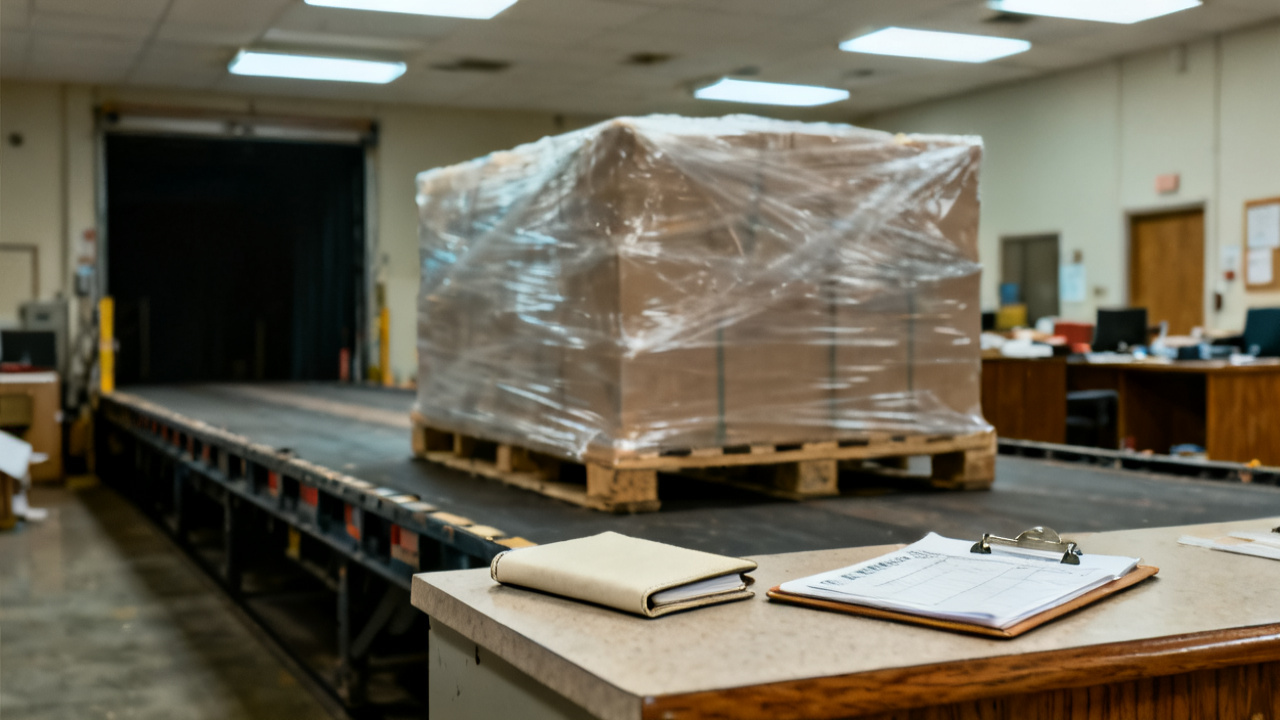
One carton is wet. It is already in your received count. You’re standing next to the shrink-wrapped pallet, pen hovering just above the signature line of the freight document in your hand, and the driver leans against their truck cab waiting for you to finish processing the delivery so they can head to their next stop. You already snapped a clear photo of the water-stained carton, its bottom corner peeling and leaving a small dark puddle on the concrete, 30 seconds prior. You checked in the driver 10 minutes ago when they pulled up to Dock Tally, and all other pallets in the shipment passed your initial inspection with no visible damage.
This Freight Bill In Your Hand
This is the only official paper record of exactly what crossed your dock in this shipment, and no digital inventory logs have been updated yet to reflect the count you just completed. You already logged 12 total cartons, signed off on the condition of the other three pallets, and noted the minor missing shipping label on dry, intact carton 7 in the top margin. You don’t need to hold the entire shipment or reject the wet carton entirely, because you already confirmed the other 11 cartons are completely dry, with no signs of mishandling, and passed your random spot check of their sealed contents. This document already has the carrier’s PRO number printed along the left edge, your facility’s location code scrawled next to the delivery date field, and the signature line you were about to sign before you spotted the wet stain seeping through the shrink wrap. Illustrative example: PO 47291, the purchase order tied to this shipment, covers 12 cartons of concentrated fabric softener pods, all slotted for the same upcoming home goods restock run scheduled for three days from now. You don’t need to pull up the PO details right now to cross reference unit counts, you just need to make a clear note on this existing document to tie the damage to the time of delivery, not any handling that happens after the driver leaves. If you leave this damage undocumented, anyone reviewing this freight bill later will assume all 12 counted cartons arrived in perfect condition, and any loss from the wet carton will be logged as internal shrink rather than damage that occurred in transit.
One Line That Matters
Half an inch below the field where you wrote your total received count of 12, there is a blank line labeled “Irregularities/Notes” that most dock teams leave empty if a shipment arrives without issue. That’s the only line you need to use right now to document the wet carton. You don’t need to write a long paragraph describing the exact saturation level of the corrugation, guess at the source of the water (leaky truck roof, rain during loading, spilled liquid from a separate shipment on the same pallet), or speculate about how many units inside are damaged. All you need to note here is that one of the counted received cartons showed visible water damage at the time of delivery. This line creates a timestamped, paper record of the carton’s condition the second it crossed your dock, so there is no ambiguity later about when the damage occurred. You don’t have to reject the carton to make this note valid, because you already counted it as received; this is just a flag to alert anyone who handles this freight bill later that there is a known issue with one of the units. You can save the detailed damage assessment for later, when you move the pallet to the inspection area and open the wet carton to check its contents.
Where You Add Your Damage Note
Follow these four quick steps to add your note correctly, without altering any other pre-filled information on the freight bill:
- Write “1 received carton shows visible water damage at time of delivery” on the pre-labeled irregularities line, using dark ink that doesn’t bleed through the page or overlap with any other text already printed or written on the document.
- Add your initials and the exact current time next to the end of the note, so there is no confusion about who logged the damage and when it was first observed on the dock.
- Ask the driver to add their own initials next to your note, to confirm they were present when the damage was documented and do not dispute the condition of the carton at the time of drop-off.
- Make a small, clear checkmark in the right margin next to the PO number line for this shipment, so you can easily find this note later when you are ready to follow up on the carton’s contents.
If the driver pushes back on adding their initials, you don’t have to argue or delay their next stop. Just add a short parenthetical next to your note that says “driver declined to initial” and proceed, since you already have the timestamped photo of the wet carton on your phone to corroborate your observation if needed. You don’t need to fill out any separate damage forms or alert your supervisor right now, unless you already know the contents of this carton are tied to a time-sensitive customer order that can’t wait for a full inspection. For most standard shipments, this short note on the existing freight bill is enough to create a valid, official record of the issue. You can sign the signature line at the bottom of the document now, hand the driver their carbon copy, and signal the lift operator to move the pallet to the inspection area while you move on to processing your next scheduled delivery.
Next Time You Open This Exact Page
You will pull this freight bill out of your “received shipments” folder when you have completed the full inspection of the wet carton and confirmed how many units inside are damaged or unsellable. At that point, you will cross reference the note you wrote today with your final damage count, and add the number of unsellable units directly below your original note if there is enough blank space on the line, or attach a small, clearly labeled slip of paper with the inventory count to the top corner of the document if the margins are full. You will use the note you added today to confirm the damage happened before the carton was counted as received, so your inventory team does not write off the loss as internal shrink, which would impact your facility’s quarterly inventory accuracy metrics. You can also pull the timestamped photo from your phone at that point to attach to the freight bill if you are submitting a damage notification to the carrier, but you are not required to take any further action before you complete the full contents inspection. You don’t need to set a reminder to follow up, because you added that small checkmark next to the PO number, so you will spot it easily when you are reconciling this week’s received shipments at the end of your shift three days from now. If the inspection shows all units inside the carton are intact, with no water damage to the individual packaging, you can add a second note below your original one that says “contents inspection complete, no damage to units” to close out the issue entirely, with no further action needed. If some units are unsellable, you can use the record you created today to provide context for the loss, no additional backtracking or guesswork required. You can also add any extra context from the inspection, like if the water only damaged the outer shipping carton and left all retail packaging fully intact, to help the inventory team make the right call about whether to restock the units or flag them for further review.