Educational overview only. Prudent Guardian (www.inspirecodingedu.com) is not an insurance company, broker, law firm, or registered investment adviser, and does not provide personalized insurance, investment, tax, medical, or legal advice. Verify details with licensed professionals and official issuers.
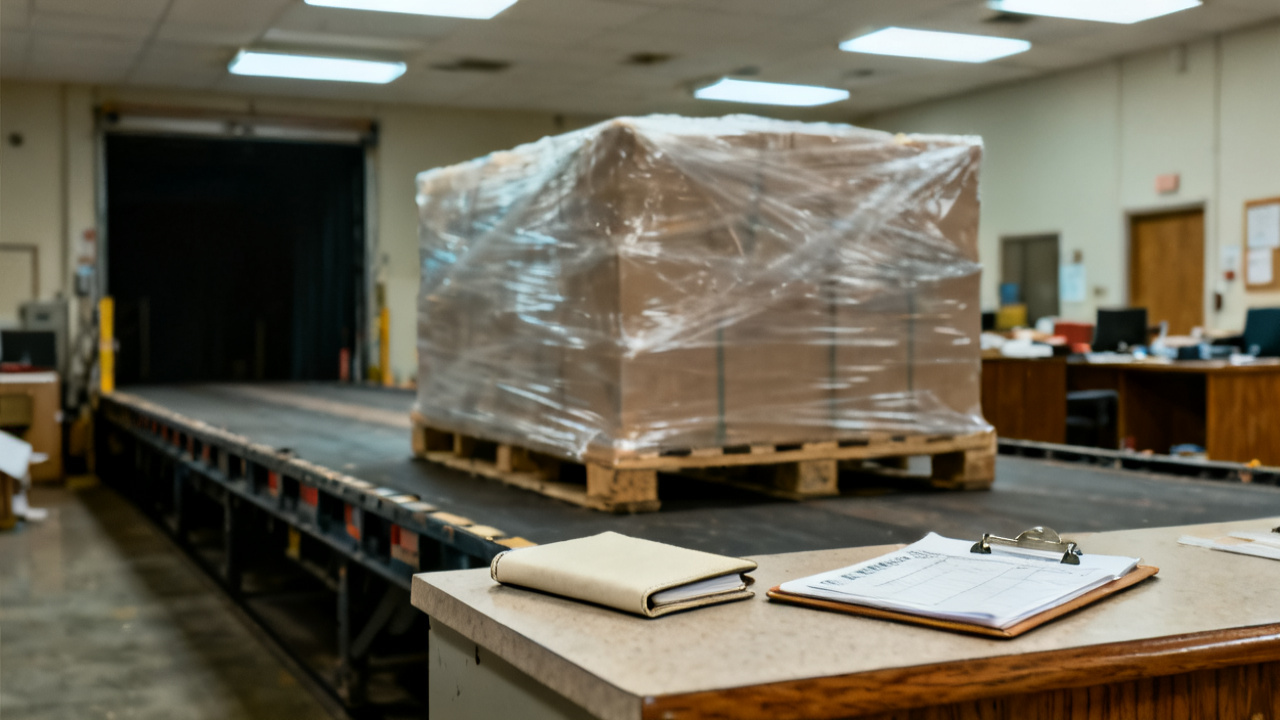
The trailer is floor-loaded. The tally has a pallet line. You lean in to confirm the seal number matches the scrawl you jotted on your work boot two hours prior, and the first thing you spot when you swing the trailer doors wide is no pallets, no skids, just stacked boxes tight to the ceiling from bulkhead to rear gate. Your shift is already 45 minutes past its scheduled end, and the next load is due to arrive in 20 minutes, so you don’t have time to reroute this to a different dock or wait for additional unload staff.
The Tally Document In Your Hand
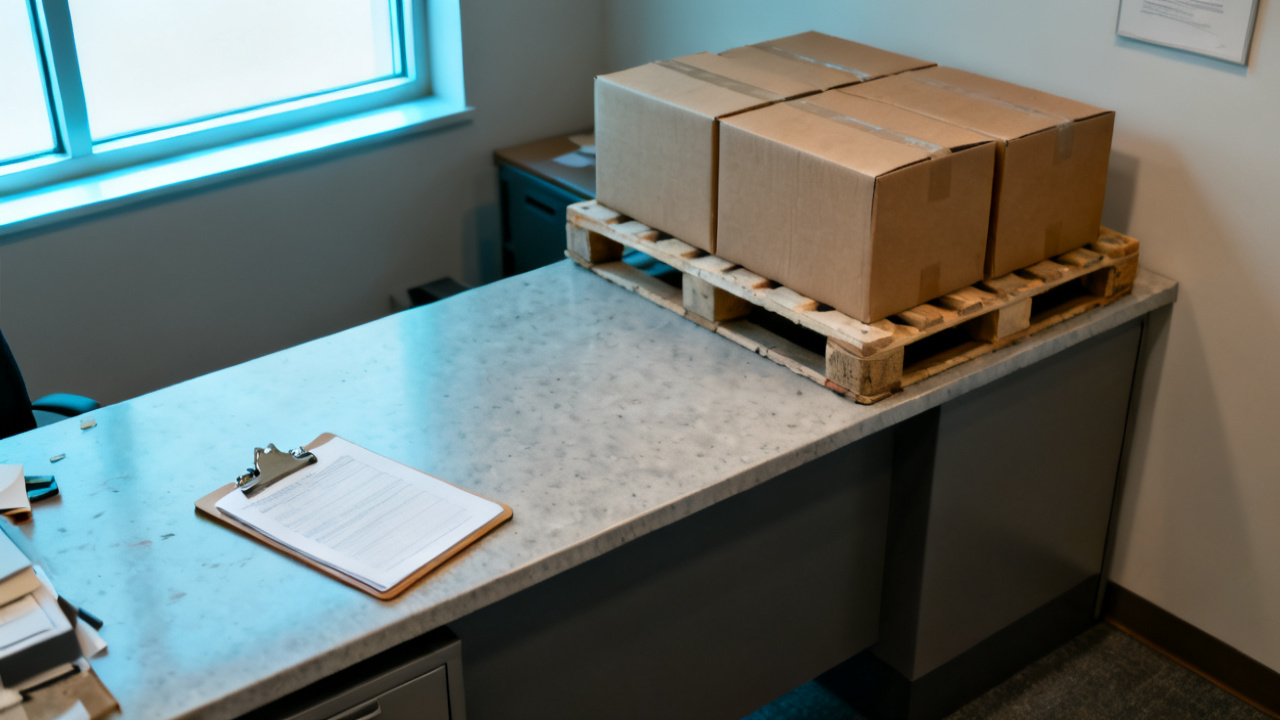
You hold it half-crumpled in one gloved hand, the edges smudged with grease from the forklift you were operating 10 minutes earlier, and you flip past the first two pages of generic load terms to get to the section you care about right now. It lists the scheduled load details: origin warehouse 300 miles west, consignee address matching your site, 1,248 individual units of small electronics, total listed weight 11,200 pounds, and that dedicated pallet line that specifies the number of pallets the carrier confirmed they would use for transport. You’ve handled hundreds of these, so you know the pallet line exists to account for the additional height, weight, and space that palletized freight takes up, as well as the expected unload time for teams using a forklift. Right now, the number on that line does not match the load in front of you, because there are zero pallets to count, let alone the number listed. This is the same form you pull up for every incoming load, standardized for your site through Dock Tally to cut down on conflicting entries across shifts, so you know exactly where to find every field you need to update without paging through extra sections you don’t use for daily operations. You don’t panic when you see the floor-loaded load, because you know exactly how to adjust the tally to reflect the actual configuration, instead of wasting time arguing with the driver who has no control over how the load was packed at the origin warehouse.

One Critical Pallet Line Entry
That number on the pallet line isn’t just a throwaway data point for back-office teams to file away. It ties directly to how long you’ll need to process the load, how much staging space you need on the dock, and how you reconcile items as you unload them without pallet labels to scan in batches. Palletized loads take a fraction of the unload time of floor-loaded loads, because you can move 40-plus boxes at once with a forklift, instead of carrying each box or stack of boxes by hand or with a hand truck. The pallet line number also tells the inventory team how many pallet IDs to expect to scan when they put the freight away, so if that number is wrong, they will spend unnecessary time looking for pallets that don’t exist, delaying putaway and holding up the rest of the day’s schedule. Illustrative example: The listed pallet line count is 24, which would correspond to 24 standard 48×40 pallets stacked 4 feet high for a total of 480 cubic feet of freight, but the floor-loaded load you’re unloading now is 520 cubic feet of loose boxes with no pallet material included. That extra 40 cubic feet comes from the lack of space between pallets, and it means you have more individual items to count than you would if the load was palletized as agreed. You don’t have to flag this as an error immediately, but you do need to note the discrepancy so everyone who touches this form later knows why the unload time is longer, why there’s no pallet scan data attached, and why the item count might take longer to reconcile. The driver waits by the trailer door while you make your initial notes, and you wave them off to use the break room if they want, since you know you’ll be at least 20 minutes longer than the scheduled 15 minute unload time listed for a palletized load of this size.
Where You Add Floor-Load Notes
You follow a consistent process to update the tally so your notes are clear and usable for every team that interacts with the load after you:
- First, cross out the number listed on the pallet line with a single, thick, legible line, so the original number is still visible to anyone reviewing the entry later, no scribbling over it completely.
- Write “FLOOR LOADED” in all caps directly next to the crossed-out number, followed by the total number of loose handling units you count as you unload, to give future reviewers a clear reference point for the actual load configuration.
- Add a note in the open comments section at the bottom of the tally with the seal number you confirmed before opening the trailer, the time you started unload, and any visible damage to outer boxes you spot before you start moving freight off the trailer.
- Sign and date the note with your employee ID initials, so anyone who has questions about the discrepancy knows who to speak to about the load as it arrived at your dock.
You don’t need to count every single item before you make this mark, but you do need to confirm there are no pallets anywhere in the trailer, even stacked at the back behind loose boxes, to avoid a correction later. If you find a small number of pallets mixed in with loose freight, you can note that next to the pallet line as well, listing the number of pallets and the number of loose units to give a full picture of the load. You avoid using slang or abbreviations that only your shift uses, so someone working the night shift two weeks from now can still read and understand your note without having to ask for clarification. If you have a scanner attached to your glove, you can snap a quick photo of the open trailer doors to attach to the tally as additional proof of the floor-loaded configuration, but the written note is enough for most internal purposes.
Next Time You Open This Ex Ex
You will pull this document back up when you finish unloading the last box from the trailer, right before you sign off on the full load receipt and send it to the inventory team. At that point, you will add the final item count, any damage you found during unload, and the total time you spent unloading the freight, so the operations team can adjust scheduling for future floor-loaded loads that don’t match their listed pallet line counts. For example, if this load took 55 minutes to unload instead of the scheduled 15, the operations team can block off an hour of dock time for any future loads from that same origin warehouse that have a matching pallet line count, to avoid backlogs on the dock when floor-loaded loads arrive unannounced. You don’t need to add extra explanation beyond what you already noted, unless you find a significant discrepancy between the listed item count and the actual number of boxes you unload, in which case you add that detail to the comments section before you submit the form. You might also pull this page up again a few shifts later if the inventory team has questions about why there are no pallet IDs attached to this load, and you can point directly to your note about the floor-loaded configuration to answer their question in seconds, without having to dig through old shift notes or try to remember a random load from several days prior. If the load had any visible damage when you opened the doors, you will reference this page again when you submit photos of that damage to the operations team, matching the time stamp on your note to the time stamp on the photos to create a clear timeline of the load’s condition when it arrived at your dock. You don’t have to follow up with anyone after you submit the final form, unless someone reaches out to you with questions, because your clear notes give everyone all the information they need to process the load correctly without additional input from you. When you finish updating the form after unload, you file it in the digital system where all incoming load tallies are stored, and you can forget about the load entirely until or unless you need to reference it again later.