Educational overview only. Prudent Guardian (www.inspirecodingedu.com) is not an insurance company, broker, law firm, or registered investment adviser, and does not provide personalized insurance, investment, tax, medical, or legal advice. Verify details with licensed professionals and official issuers.
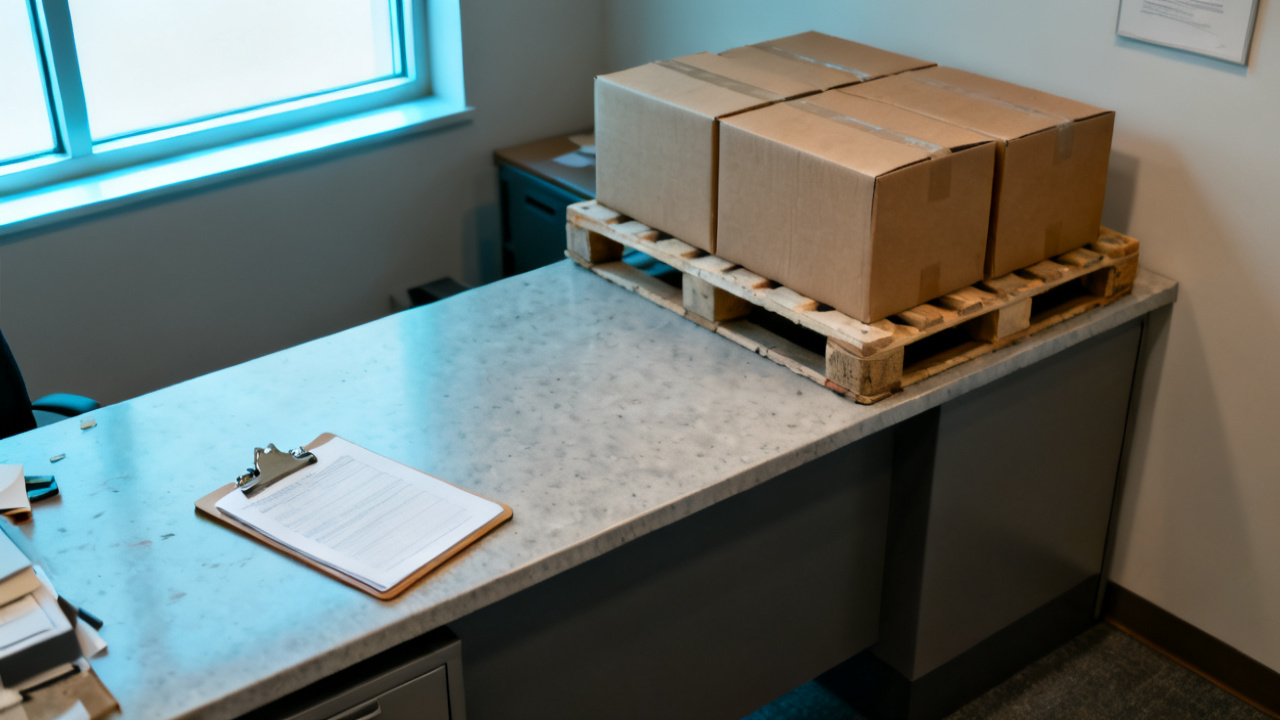
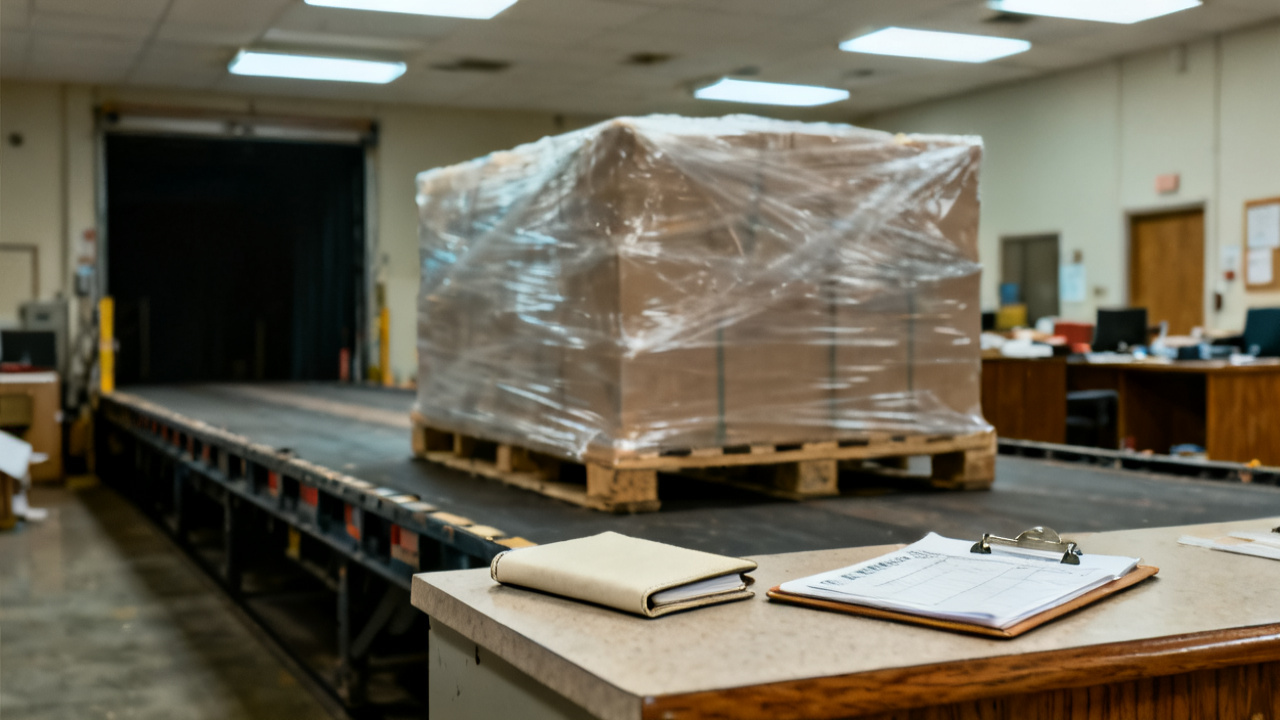
The wrap is still on. The labels face the pallet, not you. You set your pen on the edge of the dock rail, half-crouch to peer at the narrow gap between the wrap and the skid boards to catch a sliver of the label’s barcode, and confirm this is the same 48×40 GMA pallet your manifest said was scheduled for dropoff today. A light rain spits off the edge of the awning overhead, so you don’t want to slice the wrap open just yet, not before you note the discrepancy first, to avoid letting moisture seep into the cardboard boxes stacked under the film. The carrier driver waits in their idling truck a few feet away, so you move quickly to log your observations before they ask if you’re ready to sign for the load.
What This Freight Receipt Notes
This is the standard freight receipt you fill out for every inbound load that arrives with a visible deviation from manifest requirements, no matter how small, to create a clear, timestamped record of what you observe the second the load pulls up to the dock. You follow these steps to fill it out accurately without moving the pallet or adjusting the wrap:

- You mark the exact time you spot the inward-facing labels, matching the timestamp printed on the carrier’s dropoff confirmation slip tucked under your manifest clip, to eliminate any confusion about when you first observed the issue, before any changes are made to the pallet.
- You note the type of wrap used—clear stretch, black UV-resistant, or reinforced woven—so the warehouse team knows what tools they need to remove it without damaging cargo, and so the operations team can track if certain wrap types correlate with more frequent inward-facing label issues.
- You count how many labels are turned inward, cross-referencing with the number of handling labels required for this shipment per the purchase order, including any fragile, this side up, or temperature-sensitive warning labels that may be hidden against the pallet core.
- You add a quick note of any visible damage to the wrap itself, like small tears near the pallet corners or stretched-out sections that may have shifted during transit, to rule out the possibility that the labels turned inward after the carrier dropped the load at your site.
Illustrative example: You log 3 inward-facing labels on a shipment of ceramic tile, where the purchase order requires 6 total handling labels placed on all four sides and the top of the pallet for easy scanning during every step of transit. You cross-reference the purchase order number you jotted down earlier with the entry in Dock Tally to confirm you’re logging the note to the correct shipment, so there’s no mix-up with the three other tile pallets arriving later in the week. You don’t guess at why the labels are turned inward yet—maybe the loading team at the origin warehouse flipped them to avoid tearing during stretch wrapping, maybe they shifted in transit, maybe the carrier forgot to check placement before they left the origin site—you only write down what you can see for certain, no assumptions, no guesswork.
Comparison To Inbound Manifest Details For This Freight Receipt
Once you’ve filled out the core observation fields on the freight receipt, you pull the inbound manifest for this shipment out from under your clip to run a quick side-by-side check of your notes against the documented requirements for the load. First, you match the partial barcode you caught through the gap in the wrap to the barcode listed on the inbound manifest to confirm this is the right pallet, not a misdropped load from a different route that ended up at your dock by mistake. Next, you compare the number of inward-facing labels you counted to the required label placement rules listed on the manifest, to note if this is a minor deviation that only adds a minute or two of handling time, or a larger issue where all required labels are hidden, meaning the warehouse team will have to spend extra time unwrapping, scanning, and verifying the contents before they can put the pallet away. If the manifest notes that this pallet contains temperature-sensitive goods, you also cross-check the visible temperature strip on the outside of the wrap (if present) against the required temperature range listed, to rule out any shifts that may have impacted product quality before you unwrap it. You also check if the manifest notes any special handling instructions that would explain the inward-facing labels, like a request from the shipper to wrap labels inward to avoid scuffing during transit for high-value goods that will be unpacked immediately at your site. If you find that instruction, you add a note to the freight receipt to reflect that the label placement was pre-approved, so the warehouse team knows there’s no need to flag the issue with the carrier. If there’s no such instruction, you simply note the deviation as is, no extra commentary, no value judgments, just a clear record of the difference between what was expected and what arrived.
Next Time You Pull This Freight Receipt
When you stand up from your crouch, you tuck this completed freight receipt into the left side of your manifest clipboard, behind the carrier’s dropoff slip, so it stays with all related documentation for this shipment until it’s fully processed. You wave the driver over to sign off on the delivery, pointing out the inward-facing label note so they can add their own signature next to it to confirm they observed the issue as well before they leave the site. The next time you pull this same freight receipt out, it’s when the warehouse team brings you the post-unwrap check log, usually an hour or two after the pallet is moved into the climate-controlled storage area, so you can match your initial notes to their count of intact labels, cargo condition, and any missing or damaged items they find when they remove the wrap. You cross-reference your initial count of inward-facing labels with their notes to confirm if any labels fell off during transit or were intentionally placed inward by the shipping team to avoid damage during loading. If the warehouse team finds that some labels were damaged when they were pressed against the pallet core, you add that detail to the bottom of the receipt, along with the number of damaged labels and a note of whether the scanning information on those labels was still legible once the wrap was removed. You also add the time the pallet was fully unwrapped and the name of the warehouse team member who completed the check, to create a full chain of custody for the documentation related to this load. Once all information is added, you clip the freight receipt to the front of the post-unwrap check log and forward both to the operations team, who uses it to adjust handling time estimates for future shipments that come with inward-facing labels, and to share feedback with the carrier’s loading team if the issue is recurring across multiple drops. You don’t keep a copy for yourself, since all records are stored digitally in the operations system after processing, but you make a quick mental note of the pallet number so you can follow up if the operations team has any questions about your initial observations later in the week.